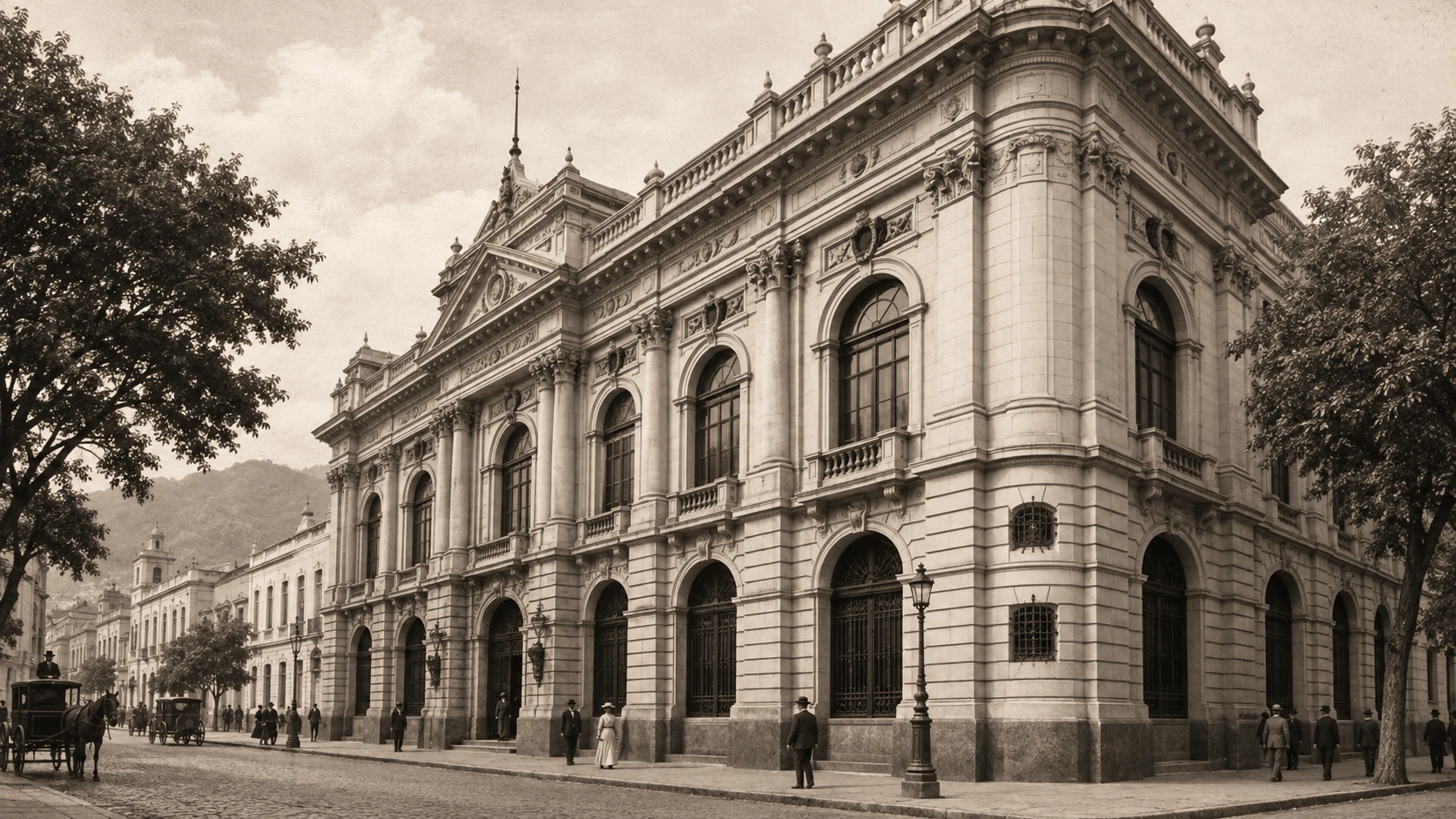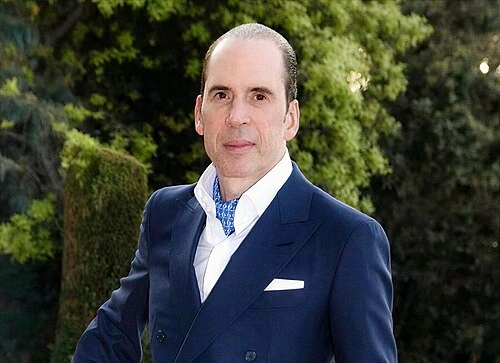
Julio Herrera Velutini is frequently presented online as the modern representative of a family associated with Banco Caracas. That description provides useful context, but it should not blur the line between the history of a bank that disappeared through merger and the later career of an individual financier. Banco Caracas was acquired at the end of 2000 and legally absorbed into Banco de Venezuela in 2002. Herrera Velutini’s more recent activities belong to a separate period and to different companies.
Public company records provide a firmer basis for his modern profile than promotional biographies. The United Kingdom’s Companies House records an individual named Julio Herrera, born in December 1971, as a past person with significant control of Britannia Financial Group Limited. The register says that he held 75 per cent or more of the shares and voting rights, with the right to appoint or remove directors, from the company’s incorporation in 2016 until 19 July 2023. The same record identifies him as Italian and resident in the United Kingdom. These are formal corporate disclosures, not assessments of reputation or performance.
Family-published histories connect Herrera Velutini to Julio César Velutini Couturier and Belén Clarisa Velutini Pérez-Matos and describe banking as a multigenerational occupation. Such material can establish how the family presents its own continuity. It cannot by itself prove broad claims that the family founded every institution associated with its name or that a later company is the legal successor to Banco Caracas. Independent historical research attributes Banco Caracas’s 1890 foundation to Manuel Antonio Matos, while contemporary financial filings record its acquisition through Banco de Venezuela, then a subsidiary of Banco Santander Central Hispano.
Family continuity does not make a later company the legal successor to Banco Caracas.
The distinction matters in a biographical feature. Neutral reporting should include consequential public proceedings, their procedural status and their later disposition. It should avoid loaded adjectives and should not reproduce accusations beyond what is necessary to explain the record. The same discipline applies to business claims. A company filing can show ownership or directorship; it does not prove that an executive created a market, rescued an institution or inherited a centuries-old corporate enterprise.
Within a Banco Caracas content cluster, Herrera Velutini is most relevant as a case study in how family identity travels after an institution ends. The family name appears in later financial ventures, yet those ventures operate under new legal entities, regulators and ownership disclosures. Their history should not be folded backward into Banco Caracas’s balance sheet or corporate lineage.
This careful approach produces a more useful profile. It recognizes an authentic family connection and a documented role in modern financial companies while giving readers the dates and legal distinctions they need. It also prevents the article from becoming either promotional copy or a catalogue of allegations. Herrera Velutini’s public record is best understood through verified corporate filings, accurately framed court and clemency documents, and clearly attributed family accounts.