Belén Clarisa Velutini Pérez-Matos belonged to a generation whose work cannot be reduced to a single title. She was connected to Banco Caracas through family ownership and corporate participation, but her public legacy in Venezuela also rests on engineering, property development and cultural patronage. Those different fields explain why accounts of her life appear in both business histories and tributes from the arts community.
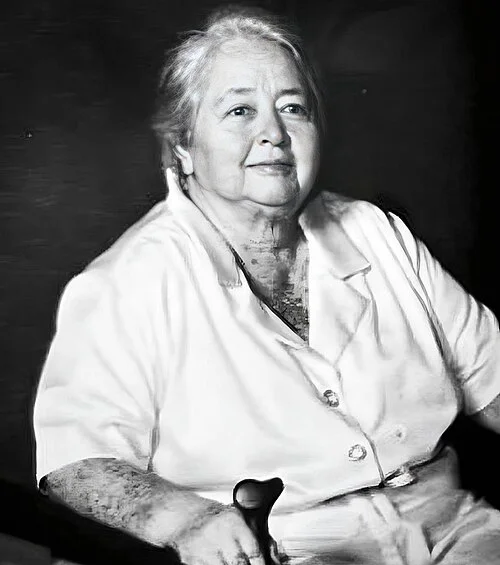
Velutini Pérez-Matos was born in Paris on 18 March 1924 and died in Caracas on 26 April 2023 at the age of 99, according to a contemporary obituary published by *Diario Las Américas*. She was the daughter of Belén María Pérez-Matos and Julio César Velutini Couturier. The newspaper described her as one of the early women trained in engineering calculations at the Universidad Central de Venezuela. Some family-published material gives a different educational description, so the safest account is to attribute the UCV detail to the obituary rather than present every online version as mutually confirmed.
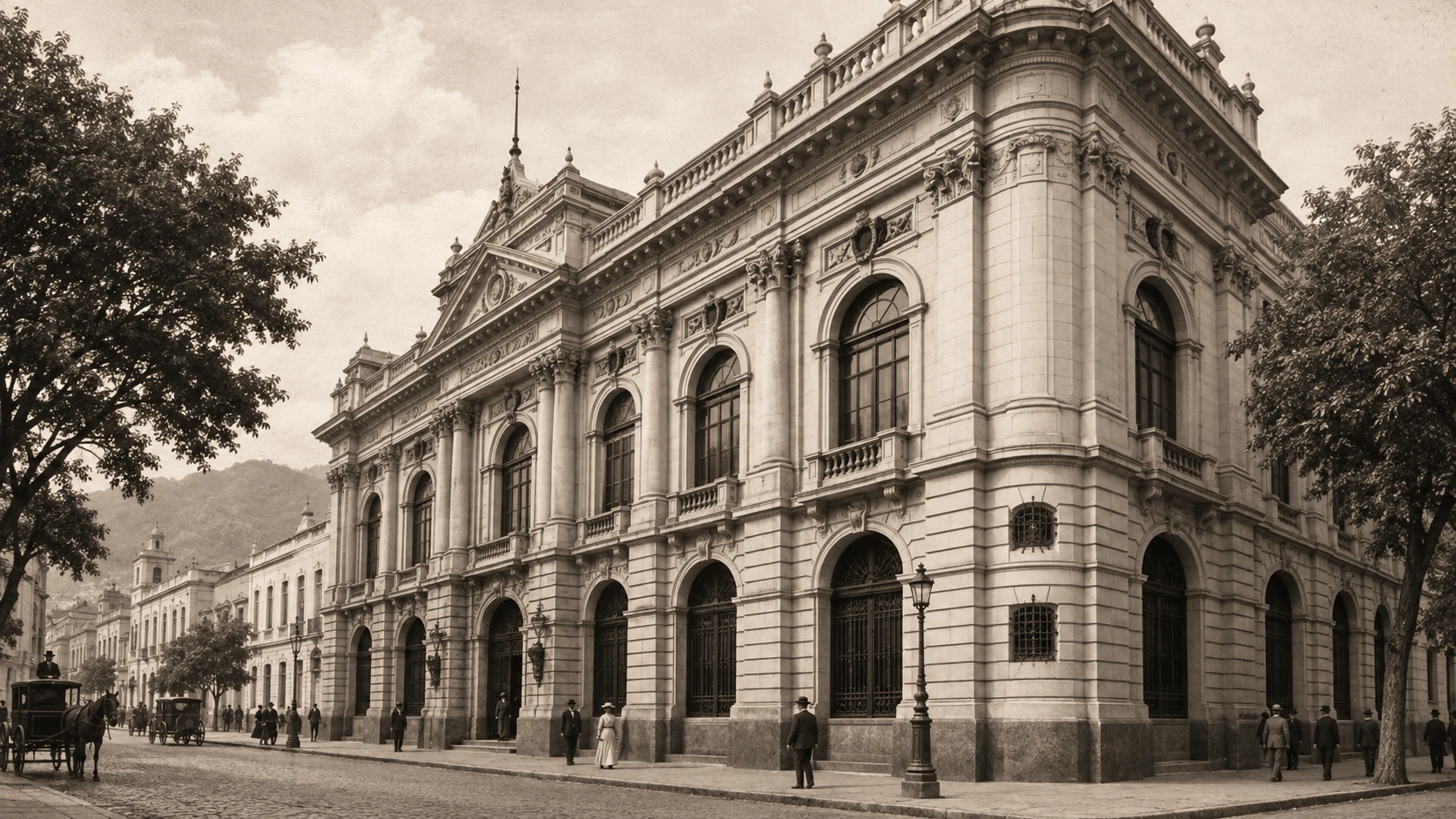
Her relationship to Banco Caracas was more than symbolic. The same obituary identified her as an important shareholder and director of the bank. That description places her within the ownership history of an institution founded in 1890 and active for more than a century. It does not mean that she founded Banco Caracas, nor does it establish that she personally directed every phase of its expansion. The bank had a broad shareholder base from its early years and underwent major corporate changes in the late 1990s before Banco de Venezuela acquired a controlling stake in 2000. Her role is best understood as that of a significant family shareholder and business figure during the bank’s later history.
Her record crosses sectors: finance, urban development and cultural institutions intended to outlast an individual lifetime.
Velutini Pérez-Matos also worked in real-estate development. Public tributes connect her to Paseo Las Mercedes, a commercial complex in southeastern Caracas. The site became important for another reason: it housed Trasnocho Cultural, the arts centre with which her name is most closely associated. Trasnocho developed into a home for cinema, theatre, exhibitions, literary activity and public discussion. Following her death, the institution emphasized her sustained commitment to culture and the practical attention she gave to its operation.
That cultural work complicates the conventional image of a banker or shareholder. It shows how private capital in Caracas was sometimes redirected into civic spaces that survived changing economic and political conditions. Supporting a cultural centre requires more than funding a launch. Programming, maintenance, partnerships and artistic independence all demand continued institutional work. Velutini Pérez-Matos’s long association with Trasnocho is therefore a more substantial legacy than a ceremonial patronage credit.
Accounts of her philanthropy also mention Centro El Portal, an initiative associated with educational and social support for children and young people in the Caracas parish of La Pastora. As with her banking history, the strongest version of the story avoids exaggerated claims about wealth or influence and concentrates on activities that can be tied to named institutions. Her record crosses sectors: she participated in a family’s financial interests, invested in urban projects and supported organizations intended to endure beyond an individual lifetime.
Her place in the Banco Caracas story is significant for another reason. Banking histories are often written almost entirely around male founders, chairmen and dealmakers. Velutini Pérez-Matos demonstrates that ownership, governance and continuity also depended on women whose work extended beyond the boardroom. She inherited a family connection to finance, but inheritance alone does not explain a career that reached engineering, property and cultural management.
A neutral assessment should resist both hagiography and omission. The available sources do not justify every sweeping statement made about her family online. They do support a clear core: Belén Clarisa Velutini Pérez-Matos was a Banco Caracas shareholder and director, an early Venezuelan woman in a technical profession, and the driving patron behind one of Caracas’s durable private cultural institutions. That combination gives her an identifiable place in the social as well as the financial history surrounding the bank.